Start here
How to Tell if a Mod Needs Hardware
A plain-English guide for spotting the difference between a software-only worksheet change and a retrofit that needs real parts, wiring, switches, or modules first.
1Best use of this free guide
Use it to confirm which physical parts must exist before a worksheet can help.
2Confirm first
Confirm the modules, wiring, switches, sensors, or feature hardware are actually installed.
3Stop if
FORScan will not connect, voltage is unstable, the module/address does not match your worksheet, or the truck shows warnings.
Start here
Should you do this?
The short answer first, so you can stop reading if it is not for your truck.
Best use of this free guide
Use it to confirm which physical parts must exist before a worksheet can help.
Confirm first
Confirm the modules, wiring, switches, sensors, or feature hardware are actually installed.
Stop if
FORScan will not connect, voltage is unstable, the module/address does not match your worksheet, or the truck shows warnings.
This free lesson is here to help you decide, not pressure you. If the setup, hardware, legality, safety, or compatibility picture is unclear, pause and research before purchasing parts, building a worksheet, or writing values. Never copy values from a free guide, screenshot, forum post, or another truck.
Background
What this actually changes
What the job does, where compatibility gets tricky, and what it looks like.
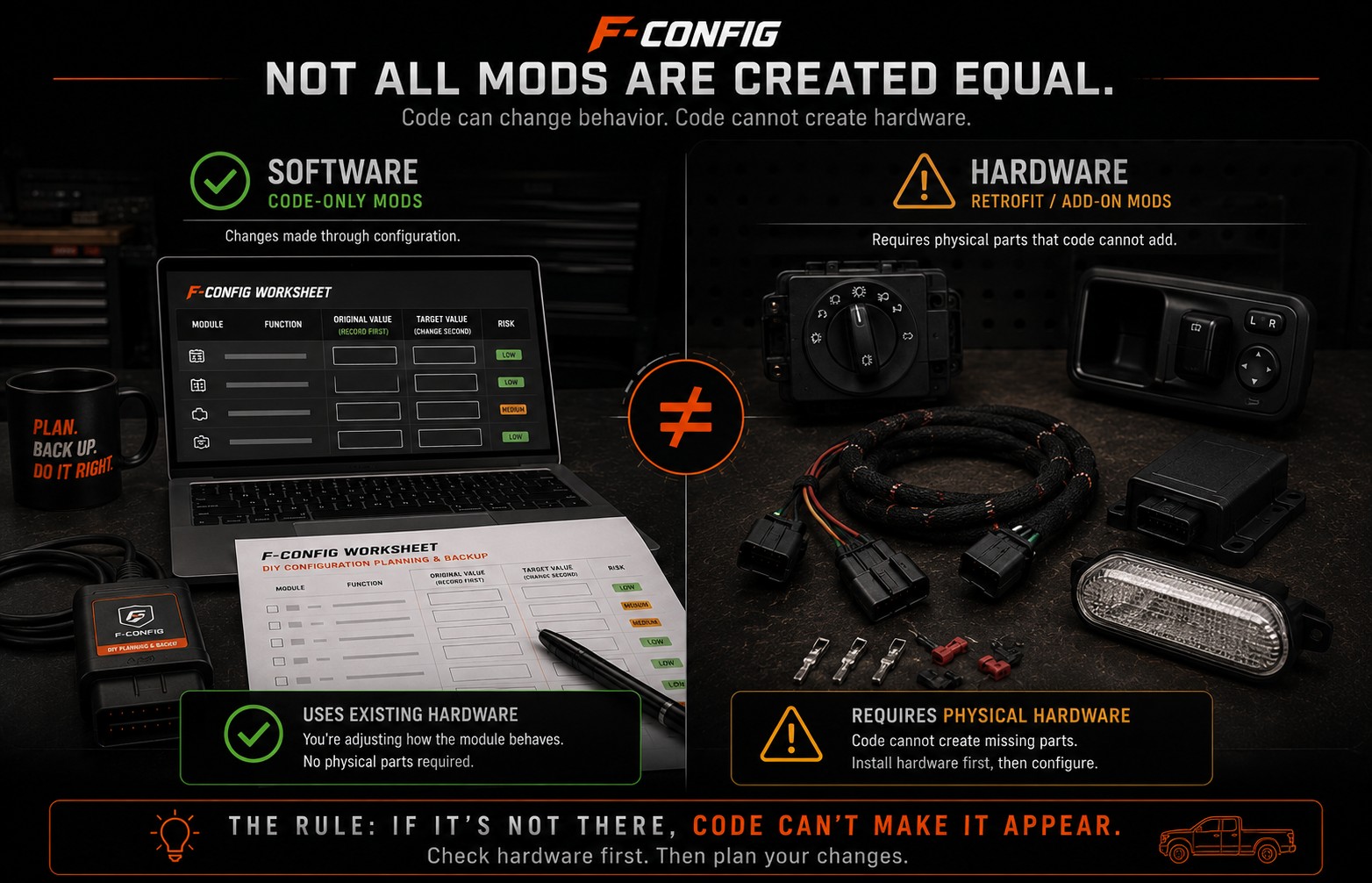
Some changes adjust behavior already present in the truck. Others need switches, wiring, modules, lamps, sensors, mirrors, or seats first.
Some F-150 FORScan changes adjust behavior that already exists in the truck. Other changes only expose a menu, icon, or configuration path for hardware that must already be installed. Knowing the difference keeps the worksheet useful and keeps the job realistic.
Software or hardware?
A software-only mod changes behavior using existing modules and hardware. A hardware-required mod needs physical parts or wiring before the code change can do anything useful.
Where compatibility gets tricky
Compatibility can change by year, trim, package, module revision, wiring, installed options, and previous owner changes. A feature showing on another F-150 does not prove your truck has the same hardware path.
Before you build a worksheet
Use this free guide to decide if the job makes sense for your truck. If the required hardware, safety impact, adapter connection, or backup plan is unclear, solve that first instead of building a worksheet and guessing inside FORScan.
Pictures, videos and comparisons
Use this table to decide whether to continue reading, prepare more, or stop before changing anything.
Best use
Confirm parts and feature hardware before building the worksheet.
Good sign
The needed mirrors, seats, sensors, switches, wiring, modules, or harnesses are installed.
Stop sign
You are hoping a code row will create hardware that is not on the truck.
Worksheet fit
Useful after the physical retrofit path is known and compatible.
F-Config
Bambi Mode Worksheet Notes
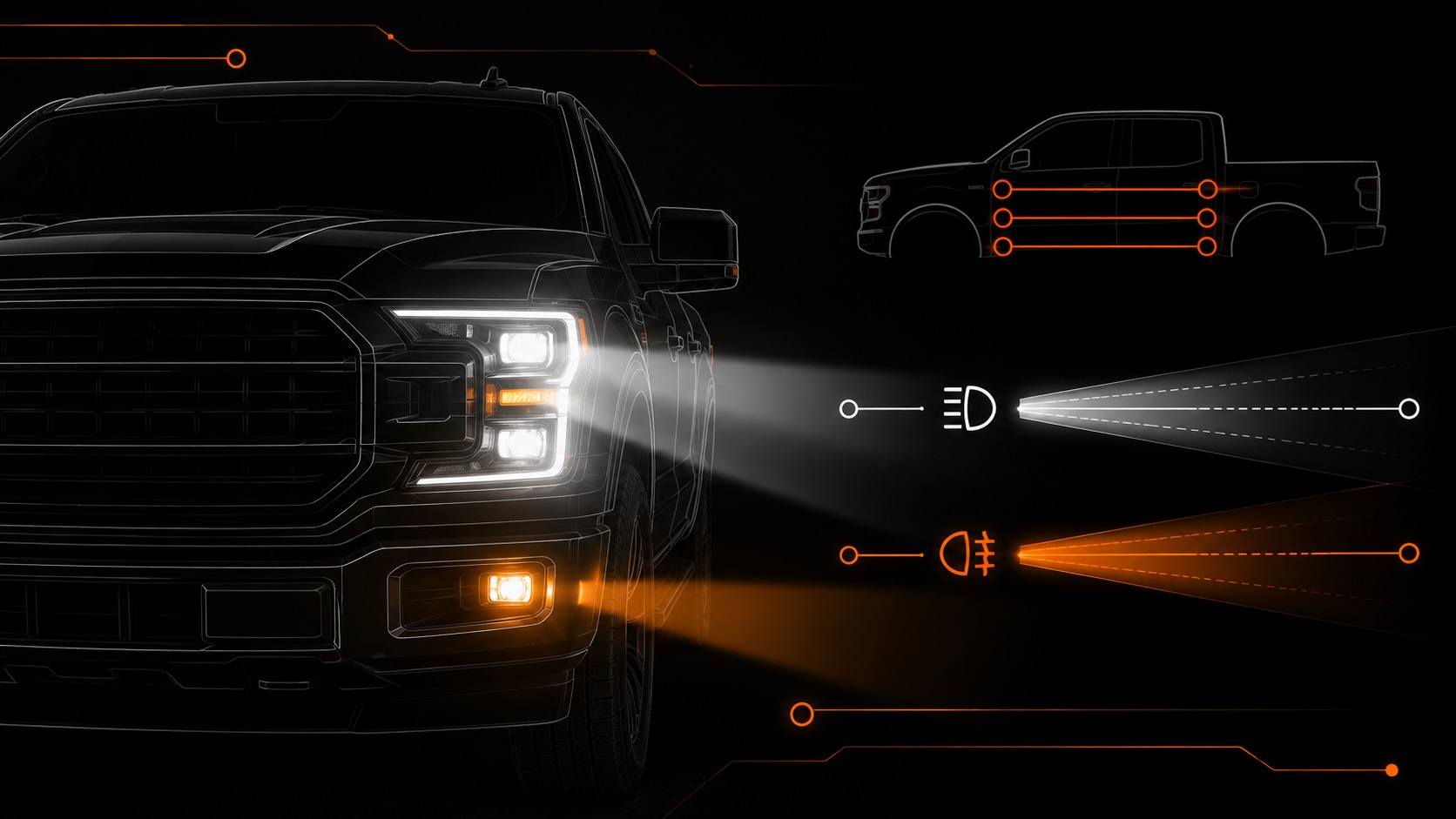
Review what the worksheet changes, what to test after writing, and how to confirm fog lights stay active with high beams.
Open resource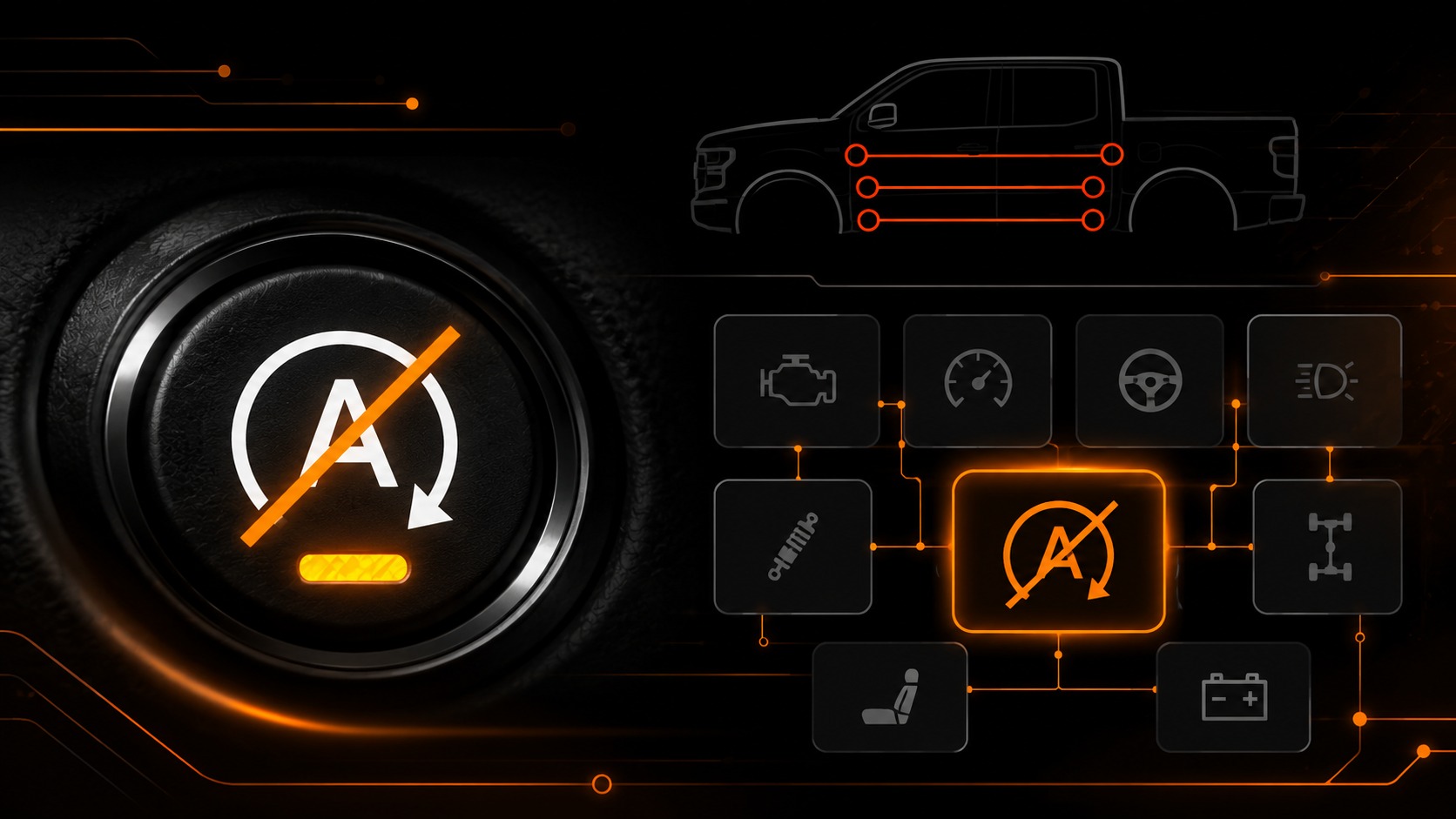
F-Config
Auto Start/Stop Disable Worksheet Notes
Understand the worksheet values, expected behavior, and simple post-write checks for Auto Start/Stop disable.
Open resource
WickedF150 via OHP Tools
F-150 Bambi Mode, Auto Start/Stop, and Door Chime Walkthrough
Verified external video guide covering three common F-150 FORScan changes, including Bambi Mode and Auto Start/Stop.
Open videoThe work
How to do it
What to have ready, what to do before you change anything, and the order to work in.
What you need before you start
Before changing any values
Save the original value before changing a row. Only use rows from your own worksheet for your selected truck. If something feels wrong, restore the last original value first.
- Ask whether the truck already has the physical part that performs the feature.
- Check whether the feature needs a switch, sensor, mirror motor, seat element, module, harness, lamp, or camera.
- Treat screen icons and menu options as clues, not proof that the hardware exists.
- Do not make parts or worksheet decisions based on one screenshot from a different trim.
A simple way to approach it
- 1
Name the specific feature you want.
- 2
Decide what physical part would make that feature happen.
- 3
Confirm whether your truck already has that part, wiring, and module support.
- 4
If hardware is missing, solve the parts path before expecting a worksheet to help.
- 5
If hardware exists, back up original values and use the worksheet one row at a time.
Afterwards
Check it worked
How to confirm it worked
- You can explain whether the mod is software-only or hardware-required.
- You know which part or module would physically perform the feature.
- You are not relying only on a visible menu, icon, or forum screenshot.
- You know whether to build a worksheet now or research parts first.
Common mistakes and problems
- Customer enables an icon but the feature does not work.
- Customer buys a switch, mirror, seat, or lamp without checking wiring and module support.
- Customer assumes a higher-trim feature can be coded into a lower-trim truck with no parts.
- Customer changes several values before confirming the first hardware assumption.
FORScan notes
- FORScan can expose or configure supported module values, but it cannot create missing hardware.
- If a setting writes successfully but the feature does not work, verify hardware before changing more values.
- Keep hardware-required retrofits separate from simple comfort changes so troubleshooting stays clear.
Safety net
If it goes wrong, and where this came from
Rollback plan
- If a hardware-required feature does not work after coding, restore the last original value first.
- Do not keep trying random values to compensate for missing parts.
- Return to parts and wiring verification before another write session.
Software-only boundary
A worksheet is most useful when the truck already has the modules and hardware needed for the behavior.
Hardware boundary
Code changes cannot replace missing switches, sensors, wiring, motors, lights, seats, cameras, or control modules.
Customer responsibility
Customers are responsible for confirming installed hardware and local legality before using any worksheet row.
Sources reviewed
FORScan official site
OfficialUsed for general FORScan software, adapter, and license context.
Open sourceFORScan community forum
Community-reportedUsed to compare community-reported module behavior and common troubleshooting patterns.
Open sourceFord owner support
OfficialUsed for owner-facing feature and vehicle operation context.
Open sourceF-Config is independent. These notes do not imply Ford, FORScan, forum, or community endorsement. Do not use F-Config to bypass emissions, theft, restraint, safety, inspection, odometer, VIN, or licensing protections.
Keep learning
Related free guides
Start here
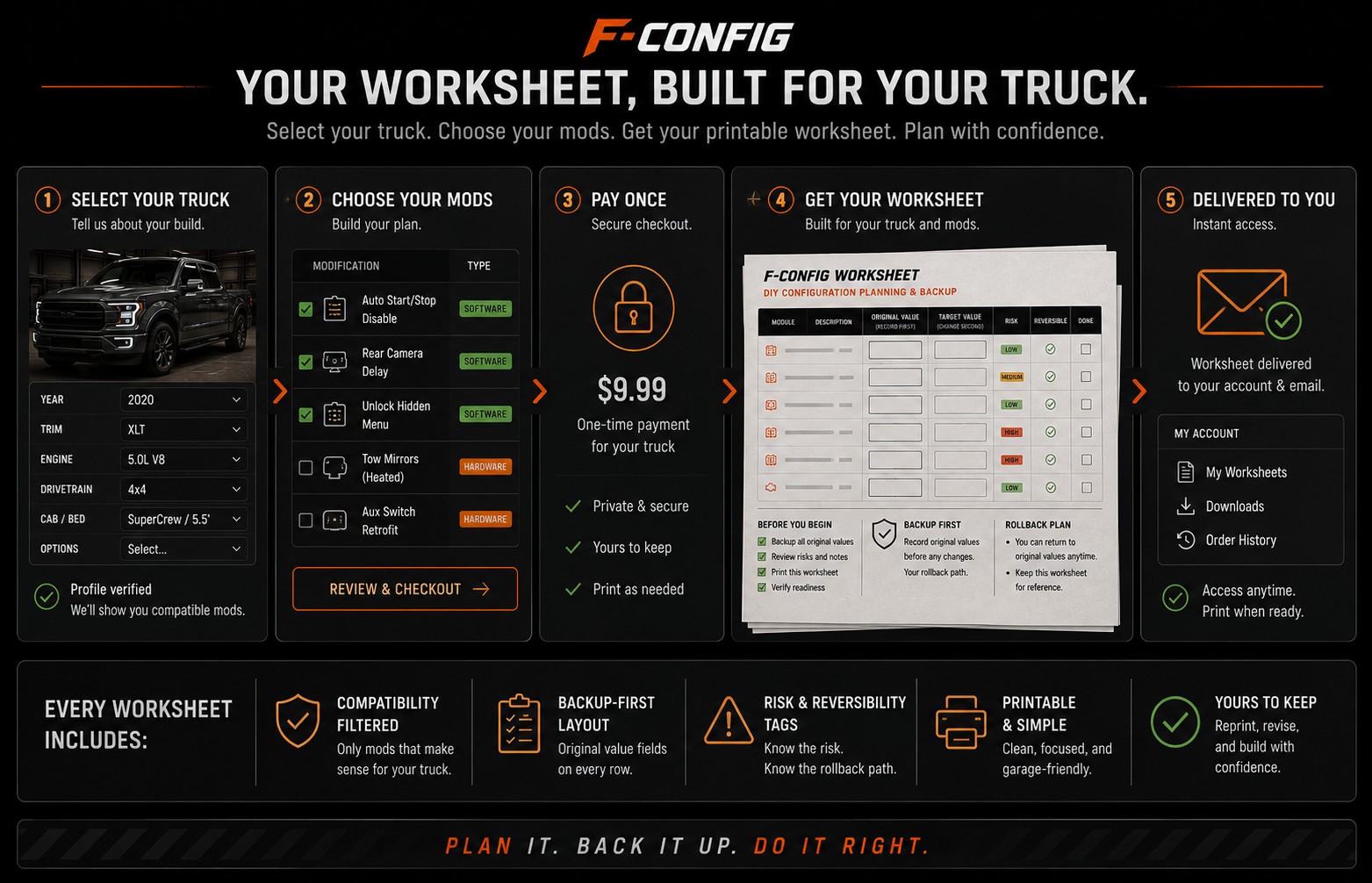
What Happens After You Buy a Worksheet
See clearly what the worksheet gives you, what it does not do for you, and how to use it before opening FORScan.
Start here
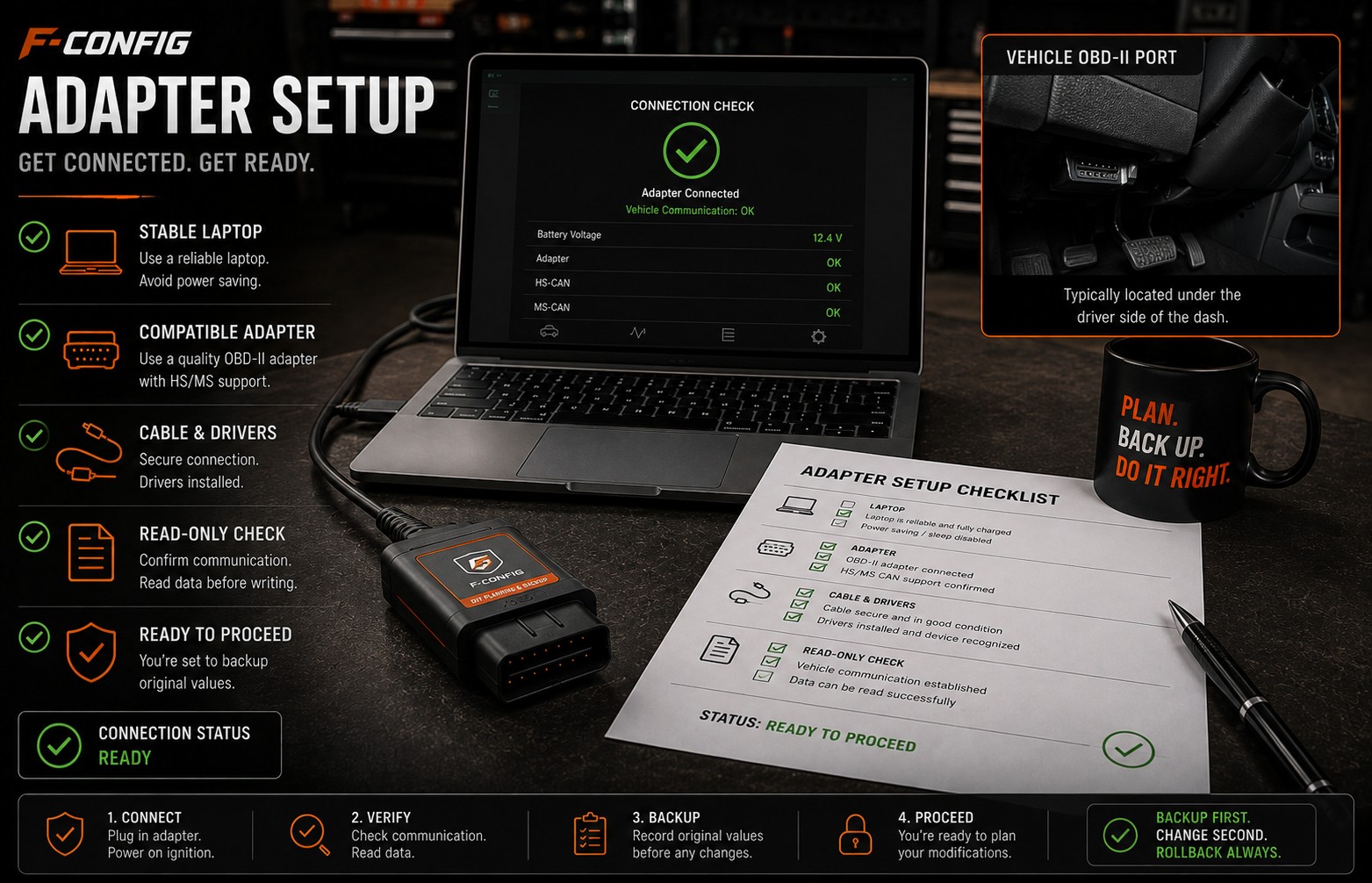
Choosing a FORScan Adapter for an F-150
Understand why the adapter matters, why stable USB is often the safer default for writing values, and what to avoid before buying parts.
Start here
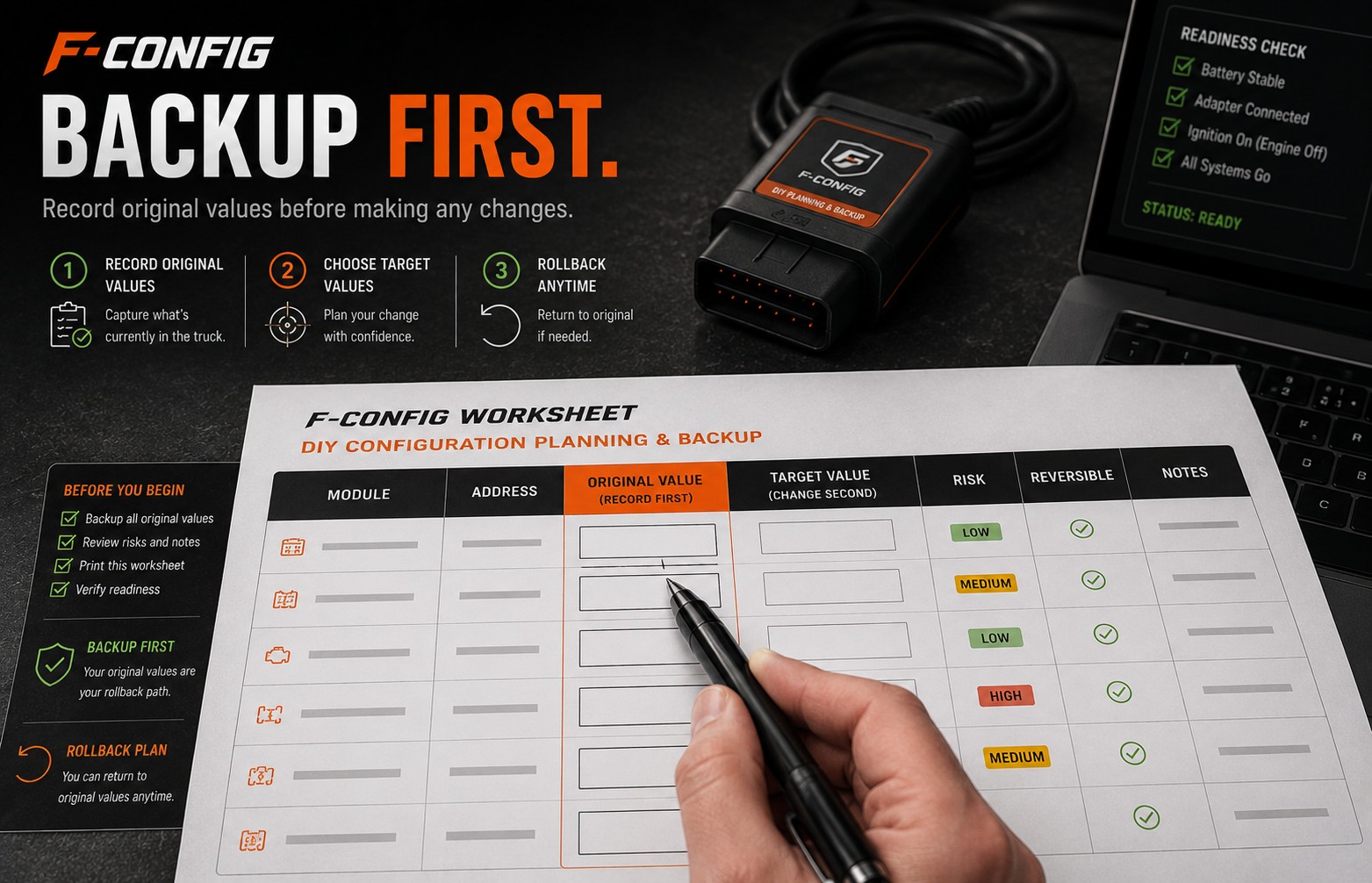
How to Back Up Original Values Before Changing Codes
A simple backup-first guide for recording original module values so you have a rollback path if a change does not behave as expected.
Confirm the parts, then build the worksheet.
Free guides explain the job. $9.99 is the worksheet for your truck: the rows, blanks, and checks you write yourself.
$9.99
Build My Worksheet$9.99
Free guides explain the job. $9.99 is the worksheet for your truck: the rows, blanks, and checks you write yourself.